Tag: motorcycle riding tips

  • How to Start Riding a Motorcycle Safely: Beginner Guide

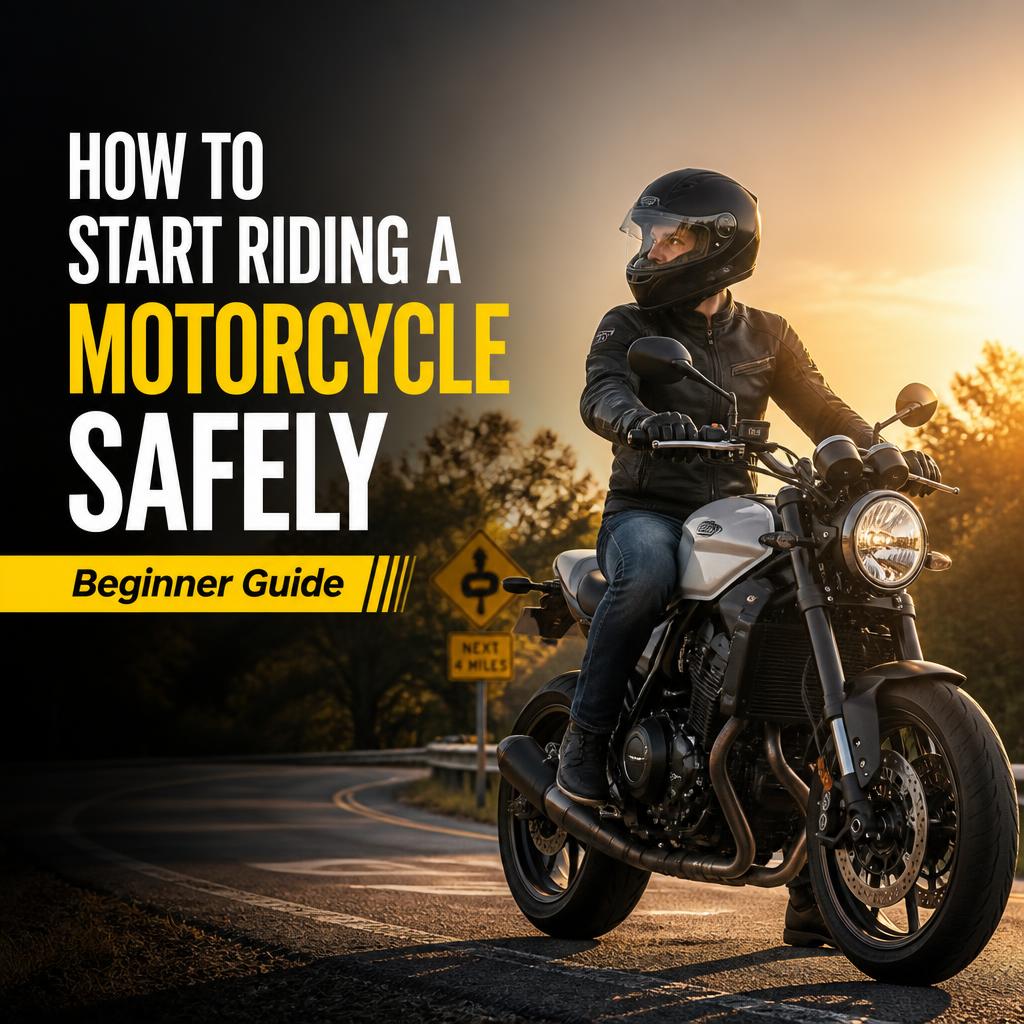
    How to Start Riding a Motorcycle Safely: Beginner Guide

    newyorklongboarder.com – How to Start Riding a Motorcycle Safely: Beginner Guide is essential reading for anyone who wants to experience the freedom and excitement of riding a motorcycle for the first time. Riding a motorcycle is practical, fun, and efficient, but it also comes with responsibilities and risks. For beginners, understanding the basics of safe riding is the key to building confidence and avoiding accidents.

    Learning to ride isn’t simply about twisting the throttle and moving forward. It involves understanding your motorcycle, developing good habits, and prioritizing safety every time you get on the road.


    Why Motorcycle Safety Matters for Beginners

    Motorcycles offer a unique sense of freedom, but they also provide less protection than cars. This means that every rider needs to pay extra attention to safety.

    Safe riding helps you:

    • Reduce the risk of accidents.
    • Build confidence behind the handlebars.
    • Develop better riding habits.
    • Protect yourself and other road users.

    Starting with the right mindset will make your learning experience much more enjoyable.


    Prepare Yourself Mentally Before Riding

    Many beginners feel nervous the first time they ride a motorcycle, and that’s completely normal.

    Before you start, remember these simple tips:

    • Stay calm and avoid panicking.
    • Focus on the road ahead.
    • Be patient with yourself.
    • Accept that learning takes time.

    A relaxed and focused mind will help you control the motorcycle more effectively.


    Choose the Right Motorcycle for Beginners

    Not every motorcycle is suitable for new riders. Picking the right bike can make the learning process easier and safer.

    Features to Look For

    Lightweight Design

    A lighter motorcycle is easier to handle, especially when stopping or turning.

    Comfortable Seat Height

    Choose a bike that allows both feet to touch the ground comfortably.

    Smaller Engine Capacity

    Motorcycles between 110cc and 150cc are often ideal for beginners.

    A beginner-friendly motorcycle can significantly improve your confidence and control.


    Wear Proper Safety Gear Every Time

    Protective gear is not just an accessory—it’s an essential part of riding safely.

    Essential Safety Equipment

    • Certified helmet
    • Riding jacket
    • Gloves
    • Long pants
    • Closed-toe shoes

    In safety science, these items are often referred to as Personal Protective Equipment (PPE) because they help reduce the severity of injuries during an accident.


    Learn the Basic Parts of Your Motorcycle

    Before riding, take some time to understand your motorcycle’s controls.

    Important Components

    Throttle

    Controls the speed of the motorcycle.

    Front and Rear Brakes

    Used to slow down and stop safely.

    Turn Signals

    Help communicate your intentions to other road users.

    Mirrors

    Allow you to monitor traffic behind you.

    Horn

    Provides a warning to other drivers and pedestrians.

    Understanding these components will make riding much less intimidating.


    Master the Correct Riding Position

    Your riding posture affects both comfort and control.

    Proper Riding Position

    • Sit upright and relaxed.
    • Hold the handlebars gently.
    • Keep your eyes looking forward.
    • Grip the motorcycle lightly with your knees.
    • Place both feet on the foot pegs.

    Maintaining good posture can also reduce fatigue during longer rides.


    Starting and Moving the Motorcycle for the First Time

    Many beginners worry about moving the motorcycle for the first time. Fortunately, the process is quite simple.

    Basic Steps

    1. Raise the side stand.
    2. Start the engine.
    3. Hold the brake.
    4. Slowly twist the throttle.
    5. Release the brake gradually.

    Avoid accelerating too quickly, as sudden movements can make the motorcycle difficult to control.


    Practice Fundamental Riding Skills

    Before heading onto busy roads, practice in an open and quiet area.

    Essential Skills to Learn

    Riding in a Straight Line

    Helps improve balance and throttle control.

    Turning

    Teaches you how to steer smoothly and maintain stability.

    Emergency Braking

    Develops your reaction time and stopping ability.

    U-Turns

    Improves low-speed control and maneuvering skills.

    Consistent practice creates muscle memory, making riding feel more natural over time.


    Learn Safe Braking Techniques

    Improper braking is one of the most common mistakes among beginner riders.

    How to Brake Safely

    • Use both front and rear brakes together.
    • Avoid sudden braking at high speeds.
    • Reduce speed gradually.
    • Keep your body balanced.

    This method is often called progressive braking, a technique that allows the motorcycle to slow down smoothly while maintaining stability.


    Understand Road Etiquette

    Being a good rider isn’t only about controlling the motorcycle. It also involves respecting other people on the road.

    Good Riding Habits

    • Use turn signals when changing direction.
    • Obey traffic lights and road signs.
    • Yield to pedestrians.
    • Avoid using your phone while riding.
    • Maintain a safe following distance.

    Good road etiquette contributes to a safer and more pleasant riding environment for everyone.


    Common Mistakes New Riders Should Avoid

    Most beginners make mistakes during the learning process. The important thing is to recognize and avoid them.

    Frequent Beginner Errors

    Overconfidence

    Feeling experienced after only a few rides can be dangerous.

    Riding Too Fast

    Higher speeds require better skills and quicker reactions.

    Skipping Safety Gear

    Riding without protective equipment significantly increases injury risk.

    Ignoring Surroundings

    Always check your mirrors and stay aware of traffic conditions.

    Learning from these mistakes will help you become a safer rider.


    When Are You Ready to Ride on Public Roads?

    After mastering the basics, you can begin riding on public roads gradually.

    Start Slowly

    • Choose quiet streets.
    • Avoid rush-hour traffic.
    • Ride with an experienced friend if possible.
    • Don’t force yourself if you still feel nervous.

    Confidence grows naturally through practice and experience.


    Tips for Becoming a Confident Motorcycle Rider

    Confidence comes from preparation and repetition.

    Ways to Improve Your Confidence

    • Practice regularly.
    • Learn traffic rules.
    • Wear safety gear every ride.
    • Stay calm under pressure.
    • Continue improving your riding skills.

    Confident riders tend to make better decisions and react more effectively to unexpected situations.

    How to Start Riding a Motorcycle Safely: Beginner Guide is more than just a beginner’s manual—it is a reminder that safety should always come first. By understanding your motorcycle, practicing fundamental skills, wearing the proper protective gear, and respecting traffic rules, you can enjoy riding with confidence and peace of mind. With patience and consistent practice, How to Start Riding a Motorcycle Safely: Beginner Guide can help turn every beginner into a responsible and capable motorcyclist.
  • Helmet Hair Chronicles: Laughing Through Riding Gear Reviews

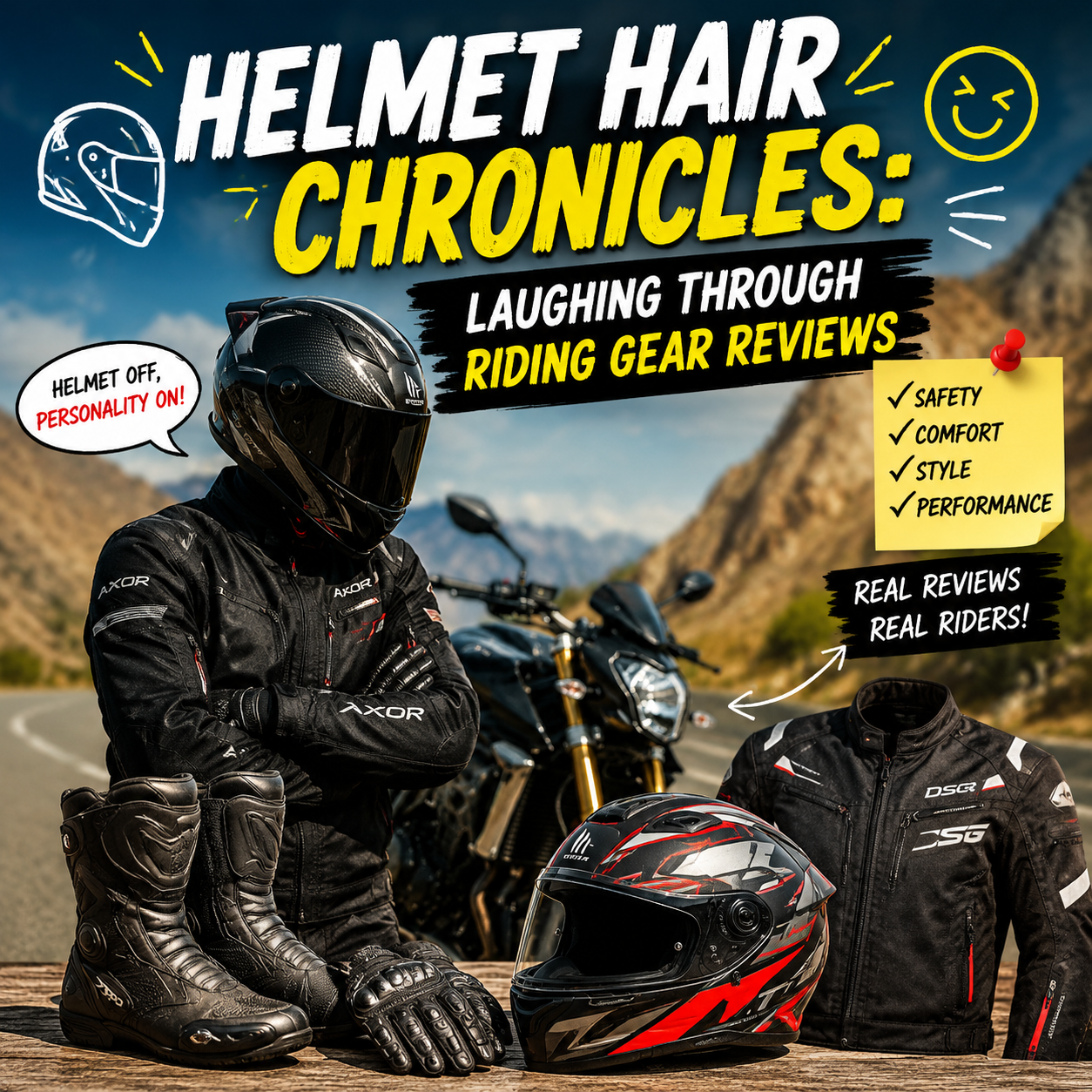
    Helmet Hair Chronicles: Laughing Through Riding Gear Reviews

    Helmet Hair Chronicles: Laughing Through Riding Gear Reviews is the kind of topic every rider secretly relates to the moment they take off their helmet and see their reflection. Whether you ride through busy city streets or cruise long coastal roads, riding gear is more than just style—it’s survival, comfort, and personality wrapped into one. – newyorklongboarder

    From protective armor to lightweight jackets that feel like second skin, modern riding equipment has evolved into something almost scientific. Riders today don’t just buy gear—they research it, compare it, and trust real-world experiences before spending a single coin.


    What Makes Riding Gear Essential Today

    Riding gear exists for one main reason: protection. But it’s not just about accidents. It’s also about weather, fatigue, and even psychological comfort.

    When you’re riding at high speed, your body is exposed to wind pressure, debris, and temperature changes. High-quality gear acts like a shield system, reducing impact and keeping the rider stable.

    In modern road culture, gear also reflects identity. A rider in Tokyo commuting daily through neon-lit streets often chooses compact, urban-style protection, while highway riders prefer bulkier touring setups.


    Types of Riding Gear for Modern Riders

    Every rider builds their own setup depending on their lifestyle, distance, and personality.

    Helmets: The First Line of Defense

    Helmets are non-negotiable. Full-face helmets offer maximum protection, while modular ones provide flexibility. Materials like polycarbonate and carbon fiber composites improve safety without making the helmet too heavy.

    Jackets: Armor With Style

    Modern jackets are built with protective padding in shoulders, elbows, and back. Many use Kevlar-like fibers or abrasion-resistant textiles that balance safety and airflow.

    Gloves: Grip and Control

    Gloves improve handlebar grip and reduce vibration fatigue. Some even come with touchscreen compatibility for navigation use.

    Boots: Stability From the Ground Up

    Riding boots stabilize the ankle and prevent injury during sudden stops or slips. Waterproof membranes are now common in premium models.


    Who Actually Needs Premium Riding Gear

    Not every rider needs racing-level equipment, but everyone benefits from reliable protection.

    Daily Commuters

    Urban riders prioritize comfort and ventilation. They need lightweight helmets, breathable jackets, and easy-to-remove boots.

    Long-Distance Tourers

    Touring riders face unpredictable conditions. Rain, wind, heat, and long hours require layered protection systems and ergonomic designs.

    Weekend Enthusiasts

    These riders usually balance style and safety. They often experiment with different brands and aesthetics.


    Where Riders Typically Shop for Gear

    Riding gear can be purchased through specialty stores, online marketplaces, and brand outlets. Physical stores offer fitting accuracy, while online platforms provide broader comparisons and reviews.

    In cities like Tokyo, riders often test gear in-store first, then compare prices online for better deals.


    When You Should Upgrade Your Riding Gear

    Gear doesn’t last forever. There are clear signs it’s time for an upgrade:

    • Visible wear and tear on protective padding
    • Loose fit due to material stretching
    • Outdated safety certifications
    • Reduced comfort during long rides

    Typically, helmets should be replaced every 3–5 years, even without visible damage.


    Why Reviews Matter Before Buying

    Rider feedback is one of the most powerful decision-making tools. Real-world reviews reveal how gear performs under pressure, not just in controlled marketing environments.

    This is where Riding Gear & Reviews becomes a critical part of the buying journey. Riders rely on community feedback to understand:

    • Real comfort during long rides
    • Durability under harsh conditions
    • Fit accuracy across body types
    • Weather resistance in different climates

    Without reviews, buying riding gear becomes guesswork. With them, it becomes a strategic decision.


    How to Choose the Right Riding Equipment

    Choosing gear isn’t just about price or brand. It’s about matching equipment to your riding style.

    Fit and Comfort

    A perfect fit ensures safety. Loose gear reduces protection efficiency, while tight gear restricts movement.

    Material Technology

    Modern riding gear uses advanced materials like aramid fibers, carbon composites, and breathable mesh fabrics. These materials balance impact resistance with comfort.

    Weather Adaptability

    Look for modular ventilation systems and removable liners. These allow one jacket or helmet to work across seasons.

    Safety Certification Standards

    Always check for certifications like DOT, ECE, or SNELL depending on your region.


    The Psychology Behind Riding Gear Choices

    Riding gear also reflects mindset. Some riders prefer minimalist designs to feel lighter and faster. Others prefer heavy armored setups that give psychological confidence.

    Interestingly, studies in transportation ergonomics suggest that riders wearing well-fitted protective gear tend to exhibit more stable riding behavior due to increased confidence.


    Real-World Rider Experiences

    In cities like Tokyo, riders often deal with tight traffic lanes and unpredictable weather shifts. Meanwhile, rural riders face long stretches of open roads.

    Each environment shapes gear preference differently:

    • Urban riders: lightweight and flexible gear
    • Highway riders: aerodynamic and protective gear
    • Adventure riders: waterproof and multi-layer systems

    Smart Buying Tips for Beginners

    If you’re new to riding, start simple:

    • Invest more in helmet quality first
    • Try gear physically before purchasing if possible
    • Don’t ignore ventilation and weight
    • Read multiple user reviews instead of trusting one source

    Experience matters more than branding when you’re starting out.


    Why Modern Gear Feels More Like Tech Than Clothing

    Riding gear today is no longer just fabric and foam. It’s a fusion of engineering, design, and biomechanics. Some helmets now include Bluetooth communication systems, while jackets integrate airbag technology.

    This evolution shows how safety equipment has moved into the realm of smart mobility solutions.

    Riding gear is no longer just an accessory—it’s a carefully engineered system built around safety, comfort, and identity. From daily commuters to long-distance travelers, every rider benefits from understanding how gear evolves and performs in real conditions.

    The journey through Helmet Hair Chronicles: Laughing Through Riding Gear Reviews shows that choosing the right equipment is not just about looking good on the road, but staying protected, confident, and ready for every ride ahead.