Tag: urban lifestyle

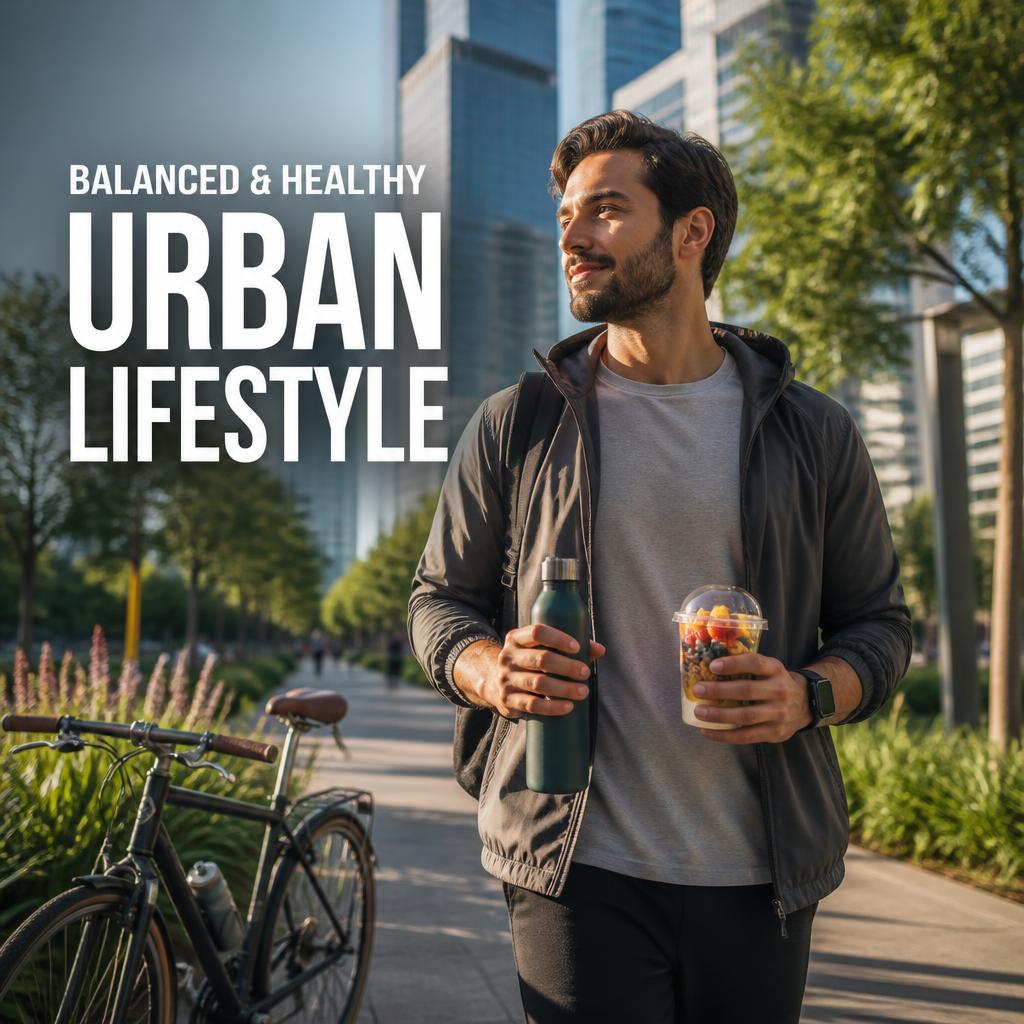
  • How to Maintain a Balanced and Healthy Urban Lifestyle

    How to Maintain a Balanced and Healthy Urban Lifestyle

    newyorklongboarder.com – How to Maintain a Balanced and Healthy Urban Lifestyle becomes an important question when city life starts moving faster than your body and mind can comfortably follow. Urban living offers convenience, career opportunities, entertainment, food choices, and social connections, yet it can also bring traffic, noise, long working hours, limited green space, and constant digital stimulation. The goal is not to escape the city. Instead, it is to build daily habits that make city living healthier, calmer, and more enjoyable.

    A balanced lifestyle does not require a dramatic transformation either. Small decisions—walking to a nearby store, preparing a simple dinner, protecting your sleep schedule, or spending an hour away from notifications—can gradually change how you feel. The key is finding a rhythm that works with your environment rather than fighting against it.

    What Does a Healthy Urban Lifestyle Actually Mean?

    A healthy urban lifestyle combines physical activity, nutritious food, quality sleep, emotional well-being, social connection, and sensible use of technology. It also considers where you live and how your surroundings influence everyday choices.

    Someone living in a busy downtown apartment, for example, may face completely different challenges from a person living in a quiet suburban neighborhood. Therefore, there is no universal routine that works perfectly for everyone.

    The better approach is to ask a few practical questions: What drains your energy? Who supports your well-being? Where can you exercise comfortably? When do you genuinely have time to rest? Why do certain habits keep disrupting your routine? How can you make healthier choices easier?

    Those questions turn a vague idea of “healthy living” into something you can actually manage.

    Why City Living Can Challenge Your Well-Being

    Cities rarely slow down. Work messages arrive during dinner, traffic steals free time, restaurants make convenience food tempting, and entertainment is available almost around the clock.

    This environment can create chronic stress, meaning prolonged exposure to psychological or physiological pressure. Your body naturally responds to stressful situations through hormones such as cortisol. Short-term increases are part of normal human biology, but continuously feeling pressured can make relaxation and healthy routines more difficult.

    There is another challenge: urban residents often feel busy without being physically active. Sitting on public transportation, working at a desk, driving, and relaxing in front of a screen can add up to hours of sedentary time.

    Recognize Your Personal Urban Stress Triggers

    Before changing your routine, notice what consistently makes your day harder.

    Maybe crowded commuting leaves you exhausted. Perhaps late-night scrolling affects your sleep. For someone else, irregular meals or excessive overtime could be the main issue.

    Identifying the actual problem helps you avoid random lifestyle changes that disappear after a week.

    Build Movement Naturally Into Your City Routine

    You do not need to spend two hours inside a gym every day to stay active. Urban environments can provide surprisingly useful opportunities for everyday movement.

    Walk when your destination is reasonably close. Take stairs instead of elevators occasionally. Get off public transportation one stop earlier. Cycle where safe infrastructure exists. Even short movement breaks during working hours can interrupt long periods of sitting.

    These actions support cardiovascular health while making exercise feel less like another appointment on an already crowded calendar.

    Turn Your Neighborhood Into an Exercise Space

    Look around your local area with fresh eyes.

    Parks, riverside paths, pedestrian areas, community recreation centers, outdoor stairs, and cycling routes can become part of your fitness routine. A 20-minute evening walk through a pleasant neighborhood may feel easier to maintain than an ambitious workout plan.

    Consistency usually beats intensity when you are trying to build a sustainable habit.

    Use the Ten-Minute Rule on Busy Days

    When motivation disappears, promise yourself only ten minutes of activity.

    Walk briskly, stretch, perform a short bodyweight routine, or ride a bicycle. After ten minutes, you can stop if necessary. Quite often, starting is the hardest part, and you may naturally continue once your body gets moving.

    Eat Well Without Making Food Complicated

    Healthy eating in a city can become confusing because food is everywhere. Delivery apps, convenience stores, cafés, restaurants, and late-night snacks make spontaneous eating incredibly easy.

    Instead of trying to follow a perfect diet, create a simple structure.

    Build regular meals around vegetables, fruit, whole grains, legumes, quality protein sources, and appropriate amounts of healthy fats. In nutritional science, these foods can contribute useful macronutrients and micronutrients that support normal body functions.

    You do not have to eliminate pizza, burgers, desserts, or restaurant meals. Balance matters more than unrealistic restriction.

    Prepare Simple Meals Before Your Week Gets Busy

    Meal preparation does not have to mean cooking seven identical containers of chicken and rice every Sunday.

    You can simply prepare versatile ingredients. Cook some rice or another grain, wash vegetables, boil eggs, prepare a protein source, and keep fruit available. During a busy weekday, these ingredients can become a meal within minutes.

    Having convenient healthy food at home also makes ordering takeout less automatic.

    Stay Hydrated During Long Urban Days

    People often underestimate hydration when moving between offices, trains, cafés, shops, and appointments.

    Carry a reusable water bottle if that works for you. Drink regularly rather than waiting until you feel extremely thirsty, especially during hot weather or physical activity.

    Coffee can remain part of your routine, but avoid treating caffeine as a permanent replacement for rest.

    Protect Your Sleep From the 24-Hour City

    Sleep often becomes the first sacrifice when life gets crowded.

    Unfortunately, reducing sleep to create more working or entertainment time can backfire. Quality sleep supports concentration, memory, mood regulation, physical recovery, and normal circadian rhythm function.

    Try to keep your bedtime and waking time reasonably consistent. Your routine does not need military-level precision, but your body generally responds well to predictable patterns.

    Create a Small Buffer Before Bed

    City evenings can remain highly stimulating. Bright screens, messages, streaming services, work emails, and street noise keep your brain engaged.

    Create a short transition between activity and sleep. Dim the lights, take a shower, stretch, read, or prepare things for tomorrow.

    Even 20 or 30 quieter minutes can make bedtime feel more intentional.

    Make Your Bedroom Work Harder for Your Sleep

    Keep the room comfortable, dark, and reasonably quiet whenever possible.

    Blackout curtains may help with streetlights, while earplugs or gentle background sound can reduce disruptive urban noise. Also consider keeping unnecessary work materials away from the bed.

    Your bedroom should signal rest rather than another office shift.

    Manage Digital Overload Without Abandoning Technology

    Technology makes urban life remarkably convenient. We can order groceries, navigate public transport, communicate with colleagues, manage finances, and talk with friends from one device.

    However, constant connectivity can create cognitive overload. Your attention keeps jumping between notifications, messages, videos, emails, and news.

    Instead of attempting a dramatic digital detox, introduce boundaries.

    Turn off notifications that provide little value. Avoid checking your phone automatically whenever a quiet moment appears. Consider creating periods when work-related communication stays closed.

    Your phone should remain a tool rather than becoming the director of your attention.

    Use Green Spaces as Part of Your Wellness Routine

    Urban parks are not merely decorative spaces between buildings. They can provide opportunities for movement, relaxation, social interaction, and temporary separation from dense city environments.

    Visit a nearby park during lunch. Walk under trees after work. Sit outside with a book on the weekend. If you have children or friends nearby, make outdoor activities part of your social plans.

    Find Small Pieces of Nature

    Not everyone lives beside a huge botanical garden.

    Fortunately, nature can appear in smaller forms: neighborhood gardens, tree-lined streets, riverside paths, rooftop gardens, balconies, or even indoor plants.

    The idea is simple—create moments where concrete, screens, and artificial lighting are not your only surroundings.

    Maintain Real Social Connections in a Crowded City

    One strange feature of city life is that you can encounter hundreds of people every day and still feel socially disconnected.

    Meaningful relationships require more than being surrounded by strangers. Make time for friends, relatives, neighbors, colleagues, or community groups that leave you feeling supported rather than drained.

    You do not need a packed social calendar. One relaxed dinner with a close friend can sometimes provide more emotional value than attending several events out of obligation.

    Learn When to Say No

    Urban culture often celebrates being busy.

    There is always another event, networking opportunity, dinner, meeting, class, or weekend plan. Accepting everything can leave no space for recovery.

    Saying no occasionally is not antisocial. It protects time for priorities that actually matter.

    Create Boundaries Between Work and Personal Life

    Remote and hybrid working arrangements have blurred the traditional boundary between office and home for many people.

    If possible, establish a defined working area and a clear finishing ritual. Close your laptop, tidy your desk, change clothes, take a walk, or prepare dinner. These small actions tell your brain that the working day has ended.

    For people commuting to an office, the journey home can serve a similar purpose. Instead of spending the entire commute answering messages, use part of it to decompress.

    Avoid Turning Productivity Into Your Identity

    Being productive feels satisfying, but every hour does not need measurable output.

    Rest, hobbies, casual conversations, cooking, music, and doing absolutely nothing for a while can all have legitimate places in a healthy life.

    Your calendar should contain room for living, not just completing tasks.

    Design a Home Environment That Supports Healthy Habits

    Your surroundings influence behavior more than you may realize.

    If healthy food sits somewhere visible and convenient, you are more likely to eat it. If your walking shoes are easy to reach, going outside becomes simpler. Conversely, working from bed every night can make switching into relaxation mode harder.

    This idea is sometimes described through environmental psychology, which examines relationships between human behavior and physical surroundings.

    Arrange your home so healthier choices require less effort.

    Make Weekends Restorative, Not Exhausting

    After a demanding week, it is tempting to squeeze every unfinished task and social activity into Saturday and Sunday.

    That can create another form of exhaustion.

    Leave some unscheduled space. Explore a new neighborhood, visit a local market, cook slowly, exercise outdoors, meet someone you enjoy, or simply sleep a little longer when appropriate.

    A good weekend does not need to look impressive on social media.

    Plan Something That Has Nothing to Do With Work

    Hobbies provide an important counterweight to professional pressure.

    Photography, gardening, cooking, painting, dancing, reading, recreational sports, music, or volunteering can create a sense of enjoyment without demanding career-related results.

    Choose something because you genuinely enjoy doing it—not because it improves your résumé.

    Build a Routine You Can Actually Maintain

    The biggest mistake people make when pursuing healthier lifestyles is changing everything at once.

    Suddenly they want to wake up at 5 a.m., run every morning, cook every meal, meditate daily, stop eating sugar, read 50 pages, and sleep eight hours. That enthusiasm usually lasts until normal life interrupts the plan.

    Start smaller.

    Choose two or three habits that address your biggest challenges. Perhaps you walk for 20 minutes after work, prepare lunch three times a week, and stop checking work messages before bed.

    Once those actions become familiar, add something else.

    Track Progress Without Becoming Obsessed

    Fitness watches, health apps, calendars, and journals can provide useful feedback. However, numbers should support your routine rather than control it.

    Missing one workout does not destroy your fitness. Eating an indulgent dinner does not ruin your nutrition. Sleeping late occasionally does not erase months of good habits.

    Look at patterns across weeks and months rather than judging yourself by a single day.

    How to Maintain Balance When Urban Life Gets Chaotic

    Some weeks simply refuse to cooperate.

    Deadlines appear. Public transport gets delayed. Family responsibilities increase. Social plans change. Your carefully prepared routine suddenly falls apart.

    During those periods, reduce the size of your habits instead of abandoning them completely.

    Cannot exercise for an hour? Walk for fifteen minutes.

    Cannot cook dinner? Choose a reasonably balanced convenient option.

    Cannot complete your usual evening routine? Put your phone aside ten minutes earlier.

    Flexible habits survive real life much better than rigid ones.

    Build a Healthier City Life One Habit at a Time

    Living well in a busy city is less about creating a perfect routine and more about making thoughtful choices repeatedly. Move whenever practical, eat nourishing food most of the time, protect your sleep, manage digital distractions, maintain meaningful relationships, enjoy green spaces, and give yourself genuine downtime.

    Most importantly, create habits that fit your actual schedule rather than an imaginary version of your life. Sustainable wellness should make everyday living easier, not become another source of pressure. Once you approach it that way, How to Maintain a Balanced and Healthy Urban Lifestyle stops being a complicated wellness goal and becomes a collection of realistic choices you can practice every day.
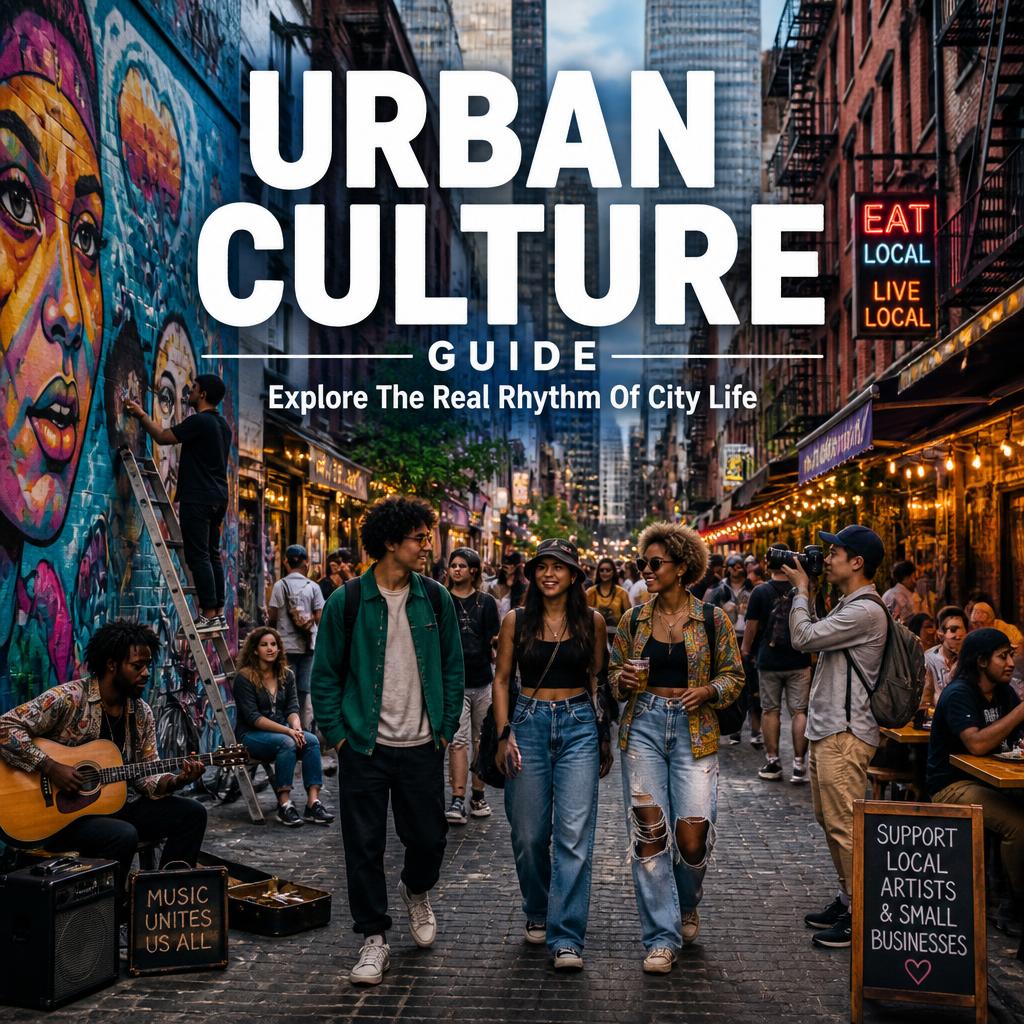
  • Urban Culture Guide: How to Explore the Real Rhythm of City Life

    Urban Culture Guide: How to Explore the Real Rhythm of City Life

    newyorklongboarder.com – Urban Culture Guide: How to Explore the Real Rhythm of City Life offers a practical way to discover what truly gives a city its personality. Urban culture reaches far beyond skyscrapers, famous landmarks, and crowded shopping districts. Instead, it appears in neighborhood cafés, colorful street murals, local music, public markets, independent fashion, and everyday routines. By exploring these cultural layers, visitors can understand not only what makes a city popular but also why its communities make it unique.

    What Does Urban Culture Really Mean?

    Urban culture refers to the lifestyles, traditions, creative expressions, and social habits that develop within cities. Because urban areas bring together people from different backgrounds, their cultural identities constantly evolve.

    For example, one neighborhood may preserve historic traditions, while another becomes known for modern art, nightlife, or independent businesses. As a result, exploring different districts often reveals several personalities within the same city.

    Who Shapes a City’s Cultural Identity?

    Residents play the biggest role in creating urban character. Artists, musicians, immigrants, students, chefs, entrepreneurs, designers, and longtime families all contribute different ideas and traditions.

    Meanwhile, younger generations often introduce new music, fashion, technology, and creative trends. Older communities, on the other hand, help preserve local history and customs. Together, these influences create a living culture that continues changing over time.

    Why Local Communities Matter

    Local communities give neighborhoods their personality. They support independent businesses, organize events, preserve traditions, and create social spaces.

    Without strong community connections, a city can feel like little more than a collection of buildings. Therefore, understanding the people behind a neighborhood makes urban exploration far more meaningful.

    Street Art as the City’s Visual Language

    Street art is one of the most visible forms of urban creativity. Murals, graffiti, installations, and painted walls can transform ordinary spaces into colorful public galleries.

    Some artworks celebrate local heritage, whereas others communicate social messages or reflect current issues. In addition, street art often gives overlooked areas a stronger visual identity.

    Where to Discover Authentic Street Art

    Popular mural districts are excellent starting points. However, fascinating artwork often appears in unexpected locations.

    Creative neighborhoods, warehouse districts, railway corridors, university areas, and former industrial zones frequently contain impressive pieces. Rather than rushing through these areas, walk slowly and notice smaller details because hidden artwork can reveal surprising stories.

    Music Creates the Soundtrack of Urban Life

    Music often reflects a city’s emotional and cultural identity. Jazz, hip-hop, punk, electronic music, and indie rock, for instance, have deep connections with specific urban communities.

    Although major concerts attract large audiences, smaller venues can provide a closer look at local creativity. Independent clubs, neighborhood bars, record stores, and community festivals frequently introduce emerging talent.

    Explore Beyond Famous Performers

    A strong music scene depends on more than singers and bands. DJs, producers, photographers, promoters, venue owners, and audiences also keep the creative ecosystem active.

    Therefore, checking local event calendars can uncover performances that mainstream tourist guides rarely mention.

    Food Culture Reveals How a City Lives

    Food is one of the quickest ways to understand a destination. Urban cuisine reflects history, migration, geography, economics, and family traditions.

    Instead of visiting only famous restaurants, explore public markets, bakeries, food stalls, neighborhood cafés, and family-owned businesses. For instance, watching where residents gather for breakfast or lunch can reveal authentic local favorites.

    Follow Everyday Eating Habits

    Many famous city dishes originally began as affordable meals for working communities. Over time, however, these foods became important symbols of local identity.

    Consequently, understanding the story behind a dish can make the experience more meaningful than simply ordering something popular for a photograph.

    Fashion and Creativity on the Streets

    Urban fashion develops far beyond luxury boutiques. Streetwear, vintage clothing, sneakers, independent designers, and music communities constantly influence personal style.

    Furthermore, flea markets and small boutiques often reveal trends before they become mainstream. Exploring these places provides a closer look at how residents express individuality.

    Every City Develops Its Own Style

    Some cities favor clean, minimalist clothing, while others embrace bold colors, customized pieces, or experimental designs. Because fashion responds to local lifestyles, simply observing people in busy public spaces can reveal interesting cultural influences.

    Architecture Tells Stories Without Words

    Buildings act as physical records of history. Old factories may reveal an industrial past, whereas modern towers often represent economic growth and changing priorities.

    However, famous landmarks tell only part of the story. Apartment buildings, storefronts, transit stations, religious structures, and old cinemas can provide equally valuable cultural clues.

    Where Old and New Meet

    One fascinating characteristic of urban environments is the contrast between different eras. Historic buildings may stand beside glass towers, while traditional markets operate near modern technology districts.

    As cities continue developing, these contrasts create distinctive landscapes that connect past and present.

    Public Spaces Reveal Everyday City Life

    Parks, plazas, sidewalks, and waterfronts show how residents interact with their surroundings. Families may gather in parks, musicians might perform near busy squares, and workers often meet outdoors during lunch.

    More importantly, these everyday activities reveal how a city functions socially, rather than simply how it looks in photographs.

    Discovering Urban Culture After Dark

    Cities often develop a different personality after sunset. Restaurants become busier, entertainment districts come alive, and night markets attract new crowds.

    Nevertheless, nightlife does not only mean clubs. It can also include theaters, rooftop cafés, jazz bars, cinemas, comedy venues, and late-night food districts.

    Respect Local Nightlife Customs

    Every destination has different social expectations. Some communities dine late, while others maintain strict rules regarding noise or public behavior.

    For this reason, observing local customs helps visitors enjoy nightlife without disturbing residents.

    How Technology Changes Urban Exploration

    Technology has transformed the way people discover cities. Social media can make an unknown café famous overnight, while navigation apps make unfamiliar neighborhoods easier to explore.

    At the same time, relying too heavily on online trends can send everyone toward identical destinations. Therefore, digital tools work best as inspiration rather than strict instructions.

    How to Explore Urban Culture Like a Local

    To experience urban culture more naturally, slow down and become more observant. Choose one neighborhood and spend several hours exploring instead of rushing between attractions.

    Use public transportation when practical, visit local markets, browse independent stores, and spend time in public spaces. Additionally, leaving gaps in your schedule creates opportunities for unexpected discoveries.

    Talk to Local People

    Simple conversations can lead to memorable experiences. A café worker might recommend a hidden restaurant, while a shop owner could mention a neighborhood event.

    Often, these personal recommendations reveal places that mainstream travel guides overlook.

    Understanding Neighborhood Change

    Urban neighborhoods constantly evolve through investment, migration, and development. New infrastructure can create opportunities; however, rapid gentrification may also increase living costs and displace longtime communities.

    Therefore, responsible visitors should recognize this complexity. Supporting established businesses alongside newer venues can contribute to a more balanced way of experiencing changing neighborhoods.

    Discover the City Beyond Famous Landmarks

    Ultimately, a city becomes more interesting when you explore beyond its obvious attractions. Food, music, street art, architecture, fashion, public spaces, and community traditions reveal stories that landmarks alone cannot explain. Moreover, taking time to observe where residents gather and how neighborhoods evolve creates a deeper connection with each destination. Instead of simply collecting photographs, curious travelers can discover the people and ideas that give urban environments their character. In the end, Urban Culture Guide: How to Explore the Real Rhythm of City Life shows that every city is a living cultural story shaped continuously by the people who create, preserve, and transform it.

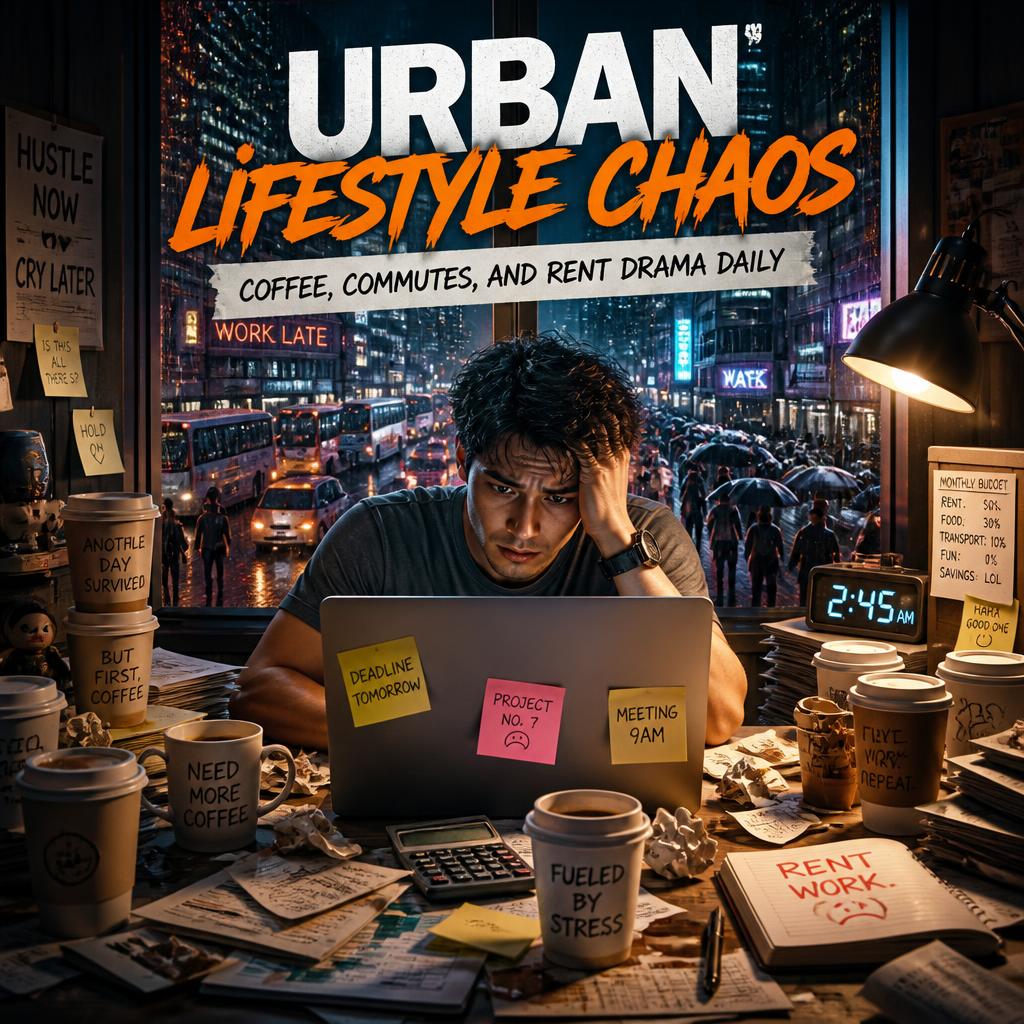
  • Urban Lifestyle Chaos: Coffee, Commutes, and Rent Drama Daily

    Urban Lifestyle Chaos: Coffee, Commutes, and Rent Drama Daily

    newyorklongboarder – Urban Lifestyle Chaos: Coffee, Commutes, and Rent Drama Daily reflects the everyday rhythm of modern city living where ambition, exhaustion, and small joys collide in the same 24 hours. Life in the city is fast, loud, and strangely addictive, pulling people into routines that feel both exciting and overwhelming at the same time.

    Urban spaces today are not just places to live—they are ecosystems shaped by technology, culture, and constant movement. From early morning espresso runs to late-night digital scrolling, everything feels like part of a bigger, slightly chaotic story.


    What Defines the Modern Urban Experience?

    Urban living is no longer just about skyscrapers and traffic. It is about how people adapt to speed, density, and constant interaction.

    The Pulse of City Life

    Cities operate like living organisms. Subways, buses, and ride-shares act like arteries transporting energy across districts. People move with purpose, yet often feel like they are racing time itself.

    Social Density and Daily Interaction

    In urban environments, anonymity and connection exist side by side. You might share a train with strangers every day but never learn their names.


    Who Shapes Urban Culture Today?

    The modern city is shaped by a mix of professionals, students, creatives, and digital nomads.

    The Remote Workers Revolution

    The rise of hybrid work has changed how cities function. Cafés are now unofficial offices, filled with laptops and quiet ambition.

    Gen Z and Digital Urban Identity

    Younger generations define urban identity through social media, micro-trends, and aesthetic living. Everything from coffee cups to apartment lighting becomes part of a personal brand.


    Where Urban Lifestyle Thrives the Most

    Urban lifestyle thrives in global hubs like London, Tokyo, New York, and Seoul—places where opportunity and pressure coexist.

    Vertical Cities and Space Efficiency

    High-rise living is now the norm. Vertical expansion allows millions to live within tight geographic limits while maintaining access to jobs and culture.

    The Rise of 24/7 Districts

    Some parts of major cities never sleep. Food delivery, nightlife, and transportation systems operate around the clock.


    When Urban Life Became This Fast

    Urban acceleration didn’t happen overnight. It evolved through industrialization, globalization, and digital transformation.

    Industrial Roots to Digital Speed

    Factories once defined urban growth, but now data centers and startups shape modern economies.

    The Smartphone Effect

    Real-time notifications, GPS navigation, and instant messaging have compressed time perception in city life.


    Why People Choose Urban Living Despite the Chaos

    Even with noise, pollution, and high rent, cities still attract millions every year.

    Opportunity Density

    Cities concentrate jobs, education, and innovation in one place, making career growth faster than in rural areas.

    Cultural Diversity and Experience

    Urban areas offer global cuisine, art scenes, and multicultural experiences that are hard to replicate elsewhere.


    How Daily Routines Shape City Identity

    Daily habits in cities create a shared rhythm among millions of strangers.

    Morning Rituals and Micro-Commutes

    From grabbing coffee at corner shops to squeezing into packed trains, mornings define urban energy.

    Evening Escapes and Digital Detox Attempts

    After work, people try to disconnect, but screens often win the battle.


    The Psychological Side of Urban Living

    City life affects mental health in subtle but powerful ways.

    Overstimulation and Mental Load

    Constant noise, movement, and digital input can create cognitive fatigue.

    Finding Calm in Controlled Chaos

    Many urban residents turn to yoga studios, parks, and quiet cafés as escape zones.


    Technology as the Invisible Engine of Cities

    Modern cities run on invisible digital systems that coordinate transport, communication, and energy.

    Smart Infrastructure Systems

    AI-driven traffic lights, sensor-based energy grids, and predictive analytics help cities function more efficiently.

    The Rise of Data-Driven Living

    Everything from food delivery to ride-hailing is optimized through algorithms.


    The Economics Behind Urban Living

    Living in cities is expensive, but it is also economically strategic.

    Rent vs Opportunity Balance

    High rent often comes with higher income potential, especially in financial and tech sectors.

    Gig Economy Expansion

    Freelancers and gig workers now form a large part of the urban workforce, balancing flexibility and instability.


    The Cultural Evolution of Urban Spaces

    Cities constantly reinvent themselves through art, fashion, and architecture.

    Street Art and Expression

    Walls become canvases for social commentary and identity.

    Architecture as Identity

    Modern buildings reflect sustainability, minimalism, and futuristic design trends.


    Digital Identity and Modern City Life

    Urban identity is no longer physical—it extends into online platforms and virtual presence.

    In fact, the rise of urban lifestyle as a concept is deeply tied to how people curate their lives across both real and digital spaces. From Instagram aesthetics to TikTok city guides, identity is now layered between physical movement and digital storytelling.


    Small Joys That Keep Urban Life Human

    Despite the chaos, small moments make city life meaningful.

    Unexpected Encounters

    A stranger holding the door, a street musician performance, or a shared laugh on public transport adds warmth to routine.

    Comfort in Routine

    Familiar cafés, favorite walking routes, and weekly habits create emotional stability.


    The Future of Urban Living

    Cities will continue evolving with smarter infrastructure and greener design.

    Sustainable Urban Design

    Vertical gardens, electric transport, and eco-friendly buildings are becoming standard.

    Hybrid Work Cities

    As remote work grows, cities may transform into lifestyle hubs rather than strict work centers.


    Urban life is a mix of speed, ambition, and constant adaptation. It challenges people daily but also rewards them with opportunity, diversity, and experience. In the end, every street corner tells a story shaped by millions of small decisions and interactions. That is what makes Urban Lifestyle Chaos: Coffee, Commutes, and Rent Drama Daily more than just a phrase—it becomes a reflection of how modern humans live, move, and evolve in ever-changing city landscapes.

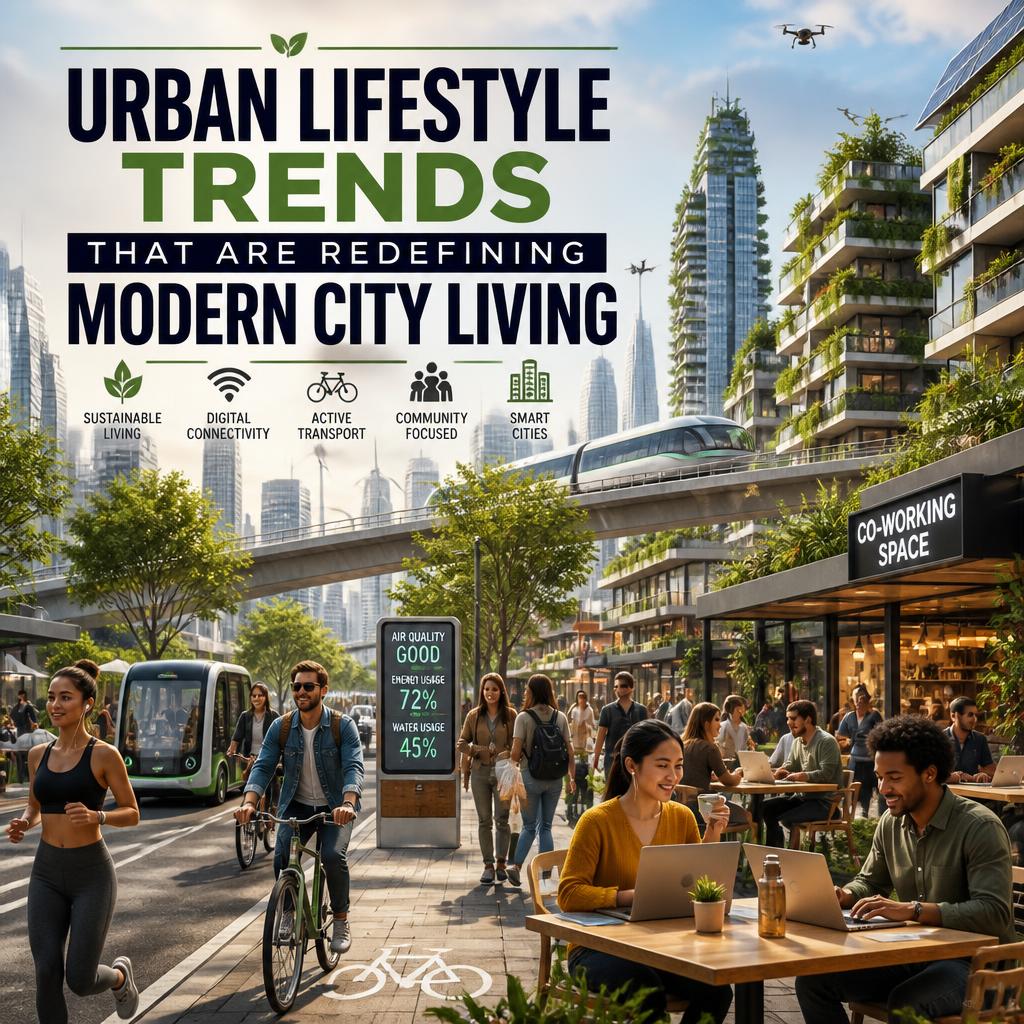
  • Urban Lifestyle Trends That Are Redefining Modern City Living

    Urban Lifestyle Trends That Are Redefining Modern City Living

    Discover how smart habits, sustainable choices, and connected communities are shaping the future of urban lifestyle in today’s fast-paced cities.

    What Defines an Urban Lifestyle Today?

    Urban Lifestyle Trends That Are Redefining Modern City Living reflect how people adapt to the demands and opportunities of city environments. Urban living is no longer just about residing in a crowded area. Instead, it involves embracing technology, convenience, sustainability, and social connectivity.

    From young professionals to growing families, people choose urban lifestyles because cities provide access to jobs, education, entertainment, healthcare, and cultural experiences. As urban centers continue to evolve, so do the habits and preferences of city residents. – newyorklongboarder

    Why Urban Living Continues to Grow

    Cities attract people because they offer opportunities that are often unavailable elsewhere. Whether someone seeks career advancement, better public services, or vibrant social scenes, urban areas create environments where growth becomes possible.

    Moreover, modern infrastructure makes city life increasingly appealing. Improved transportation systems, smart technology, and digital services contribute to greater efficiency and convenience.

    Economic Opportunities in Major Cities

    Urban areas often serve as economic hubs. Businesses, startups, and multinational corporations establish offices in cities, creating a wide range of employment opportunities.

    As a result, professionals can network more effectively, develop new skills, and explore diverse career paths.

    Access to Essential Services

    Residents benefit from nearby hospitals, schools, shopping centers, and public facilities. This accessibility saves time and enhances daily convenience.

    The Rise of Smart Urban Communities

    Technology now plays a major role in urban lifestyle development. Smart communities use digital tools to improve living conditions and streamline everyday activities.

    Smart Homes and Connected Living

    Modern apartments and homes increasingly feature smart devices. Residents can control lighting, security systems, and appliances remotely through mobile applications.

    Benefits of Home Automation

    • Improved energy efficiency
    • Enhanced security
    • Greater convenience
    • Reduced utility costs

    These advantages make smart homes a key component of contemporary urban living.

    Sustainable Practices Shaping City Life

    Environmental awareness has become a central aspect of the urban lifestyle movement. More people are choosing eco-friendly habits that reduce environmental impact.

    Green Transportation Solutions

    Cycling, electric scooters, and public transit systems are becoming popular alternatives to private vehicles. These options help reduce traffic congestion and carbon emissions.

    Additionally, many cities are investing in bike lanes and pedestrian-friendly infrastructure to encourage sustainable mobility.

    Eco-Conscious Consumer Behavior

    Urban residents increasingly support local businesses, reusable products, and sustainable brands. This shift demonstrates growing concern for environmental responsibility.

    A valuable resource for understanding environmentally conscious city living is sustainable urban living strategies, which highlight practical ways to balance convenience with sustainability.

    Health and Wellness in Urban Environments

    Despite busy schedules, city residents are prioritizing physical and mental well-being more than ever before.

    Fitness as a Lifestyle Choice

    Modern urban dwellers often integrate fitness into daily routines through:

    • Boutique gyms
    • Outdoor fitness parks
    • Yoga studios
    • Running clubs
    • Cycling communities

    These activities foster healthier lifestyles while creating opportunities for social interaction.

    Mental Health Awareness

    Urban environments can be stressful. Consequently, mindfulness practices, meditation apps, and wellness programs have become increasingly popular.

    Many individuals actively seek balance between professional responsibilities and personal well-being.

    How Remote Work Changed Urban Lifestyle

    The rise of remote and hybrid work models has transformed city living significantly.

    Previously, people often chose residences close to workplaces. Today, many professionals prioritize neighborhoods that offer lifestyle benefits rather than short commutes.

    Flexible Workspaces

    Coworking spaces continue to grow across urban centers. They provide flexible environments where freelancers, entrepreneurs, and remote employees can collaborate and remain productive.

    Improved Work-Life Balance

    Hybrid schedules allow individuals to spend more time with family, pursue hobbies, and maintain healthier routines.

    Urban Culture and Social Connectivity

    One defining characteristic of urban lifestyle is cultural diversity. Cities bring together people from various backgrounds, creating vibrant communities.

    Entertainment and Creative Experiences

    Residents enjoy access to:

    • Art galleries
    • Music venues
    • Food festivals
    • Cultural events
    • Community gatherings

    These experiences enrich everyday life and contribute to a strong sense of belonging.

    Building Meaningful Connections

    While cities can feel crowded, they also offer countless opportunities to meet like-minded individuals through clubs, volunteer organizations, and networking events.

    The Future of Urban Lifestyle

    Urban living continues to evolve alongside technological innovation and social change. Future cities will likely prioritize sustainability, digital integration, and community-focused development.

    Emerging trends include:

    • Smart transportation networks
    • Energy-efficient buildings
    • Expanded green spaces
    • Advanced public services
    • Data-driven city management

    These developments aim to improve quality of life while supporting long-term urban growth.

    FAQ About Urban Lifestyle

    What is an urban lifestyle?

    An urban lifestyle refers to the way people live in cities, characterized by access to modern infrastructure, diverse opportunities, technology, and cultural experiences.

    Who benefits most from urban living?

    Professionals, students, entrepreneurs, and families often benefit from city environments because of employment opportunities, educational resources, and public services.

    Why is sustainability important in urban areas?

    Sustainability helps cities manage population growth, reduce pollution, conserve resources, and create healthier environments for residents.

    How does technology influence urban lifestyle?

    Technology improves transportation, communication, home automation, public services, and overall convenience, making city living more efficient.

    When did smart cities become popular?

    Smart city initiatives gained significant momentum during the 2010s as governments and businesses adopted digital technologies to improve urban infrastructure.

    Where are urban lifestyle trends heading?

    Future trends focus on sustainability, wellness, flexible work arrangements, smart technology, and stronger community engagement.

    Urban Lifestyle Trends That Are Redefining Modern City Living demonstrate how cities continue to adapt to changing social, economic, and technological realities. By embracing sustainability, wellness, innovation, and community connections, urban residents can enjoy a more balanced, efficient, and fulfilling way of life. As cities evolve, the urban lifestyle will remain a driving force behind modern living and future development.

  • Urban Lifestyle Trends 2026: Smart Living and Wellness

    Urban Lifestyle Trends 2026: Smart Living and Wellness

    Urban Lifestyle: A New Era of Modern City Living

    newyorklongboarder – Urban Lifestyle Trends 2026: Smart Living, Wellness, and City Freedom reflects how people are transforming everyday routines to create more balanced, productive, and enjoyable lives in cities. As urban areas continue to evolve, residents are embracing smarter technologies, healthier habits, and sustainable choices that fit modern demands.

    From young professionals to growing families, urban living offers opportunities that blend convenience, connectivity, and innovation.

    What Defines an Urban Lifestyle Today?

    An urban lifestyle refers to the way people live, work, and interact within cities and metropolitan areas. It combines accessibility, efficiency, cultural diversity, and technological advancement.

    Unlike traditional living environments, urban settings often provide:

    • Easy access to public transportation
    • Diverse dining and entertainment options
    • Career opportunities
    • Digital connectivity
    • Modern housing solutions

    These factors influence how city residents organize their daily lives.

    Why Urban Living Continues to Grow

    Cities attract people because they offer opportunities that are often unavailable elsewhere.

    Career and Business Opportunities

    Urban centers typically host major corporations, startups, and creative industries. As a result, professionals can find better networking opportunities and career growth.

    Access to Services

    Healthcare facilities, educational institutions, shopping centers, and recreational spaces are usually located within easy reach, making daily life more convenient.

    Smart Technology and Urban Convenience

    Technology has become one of the strongest pillars supporting modern urban lifestyles.

    Smart Homes Improve Daily Efficiency

    Smart lighting, automated security systems, and voice-controlled devices help residents manage their homes more efficiently.

    Digital Services Save Time

    Food delivery apps, online banking, ride-sharing platforms, and remote work tools reduce travel time and simplify everyday tasks.

    As technology advances, urban residents increasingly rely on digital solutions to enhance productivity.

    Wellness Becomes a Top Priority

    Living in a fast-moving city can be demanding. Consequently, wellness has become a central focus for many urban residents.

    Physical Health Matters More Than Ever

    People are investing in fitness memberships, home workout programs, cycling, and outdoor activities to maintain their health.

    Mental Wellness Gains Attention

    Meditation, mindfulness practices, and digital detox routines help individuals manage stress and improve emotional well-being.

    This shift demonstrates how urban residents are actively seeking healthier lifestyles despite busy schedules.

    Sustainable Living in Modern Cities

    Environmental awareness continues to influence urban lifestyle choices.

    Eco-Friendly Transportation

    Many city residents now choose bicycles, electric vehicles, and public transportation to reduce their environmental impact.

    Sustainable Consumption Habits

    Consumers increasingly support local businesses, reusable products, and environmentally responsible brands.

    One growing trend involves adopting sustainable urban living strategies that encourage responsible resource use while maintaining convenience.

    The Rise of Flexible Work Culture

    Remote and hybrid work arrangements have changed how people experience urban life.

    Work From Anywhere

    Employees can now work from coffee shops, co-working spaces, or home offices without sacrificing productivity.

    Benefits of Flexible Work

    • Better work-life balance
    • Reduced commuting time
    • Greater personal freedom
    • Increased productivity for many professionals

    This flexibility allows people to spend more time on personal development and recreation.

    Social Connections in Urban Communities

    Although cities can feel crowded, many residents actively seek meaningful social interactions.

    Community-Based Activities

    Neighborhood events, hobby groups, fitness clubs, and volunteer programs help people build relationships.

    Digital Communities

    Social media platforms and local apps make it easier to connect with like-minded individuals nearby.

    As a result, urban living increasingly combines physical and digital social experiences.

    Urban Fashion and Personal Expression

    Fashion remains an important aspect of urban culture.

    City residents often embrace styles that balance comfort, functionality, and individuality. Athleisure, minimalist wardrobes, and sustainable fashion choices continue gaining popularity.

    These trends reflect broader lifestyle values such as efficiency and environmental responsibility.

    How Urban Lifestyle Influences Future Generations

    Younger generations are shaping cities in unique ways.

    They prioritize:

    • Sustainability
    • Technology integration
    • Flexible careers
    • Health-conscious habits
    • Experiences over possessions

    Because of these priorities, urban environments continue adapting to meet changing expectations.

    Challenges of Urban Living

    While city life offers many advantages, challenges still exist.

    Higher Living Costs

    Housing, transportation, and entertainment expenses can place pressure on personal budgets.

    Fast-Paced Environments

    Constant activity may contribute to stress and burnout if residents fail to maintain balance.

    Fortunately, smart planning and healthy habits help many people overcome these obstacles successfully.

    FAQ About Urban Lifestyle

    What is an urban lifestyle?

    An urban lifestyle refers to living in a city environment characterized by convenience, connectivity, diverse opportunities, and access to modern services.

    Who benefits most from urban living?

    Professionals, entrepreneurs, students, creatives, and families often benefit from the opportunities and resources available in urban areas.

    Why is technology important in urban lifestyles?

    Technology improves efficiency, communication, transportation, home management, and access to essential services.

    How can people maintain wellness in cities?

    Regular exercise, healthy eating, mindfulness practices, and balanced schedules help urban residents maintain physical and mental health.

    What role does sustainability play in urban living?

    Sustainability encourages responsible consumption, eco-friendly transportation, and environmentally conscious habits that improve long-term quality of life.

    Is urban living suitable for everyone?

    Not necessarily. Personal preferences, career goals, family needs, and financial circumstances all influence whether urban living is the right choice.

    Urban Lifestyle Trends 2026: Smart Living, Wellness, and City Freedom highlights how city residents are embracing innovation, flexibility, and sustainability to improve everyday life. As technology evolves and communities become more connected, the urban lifestyle will continue shaping how people work, socialize, and thrive in modern environments. Those who adapt thoughtfully can enjoy the many opportunities that contemporary city living provides.

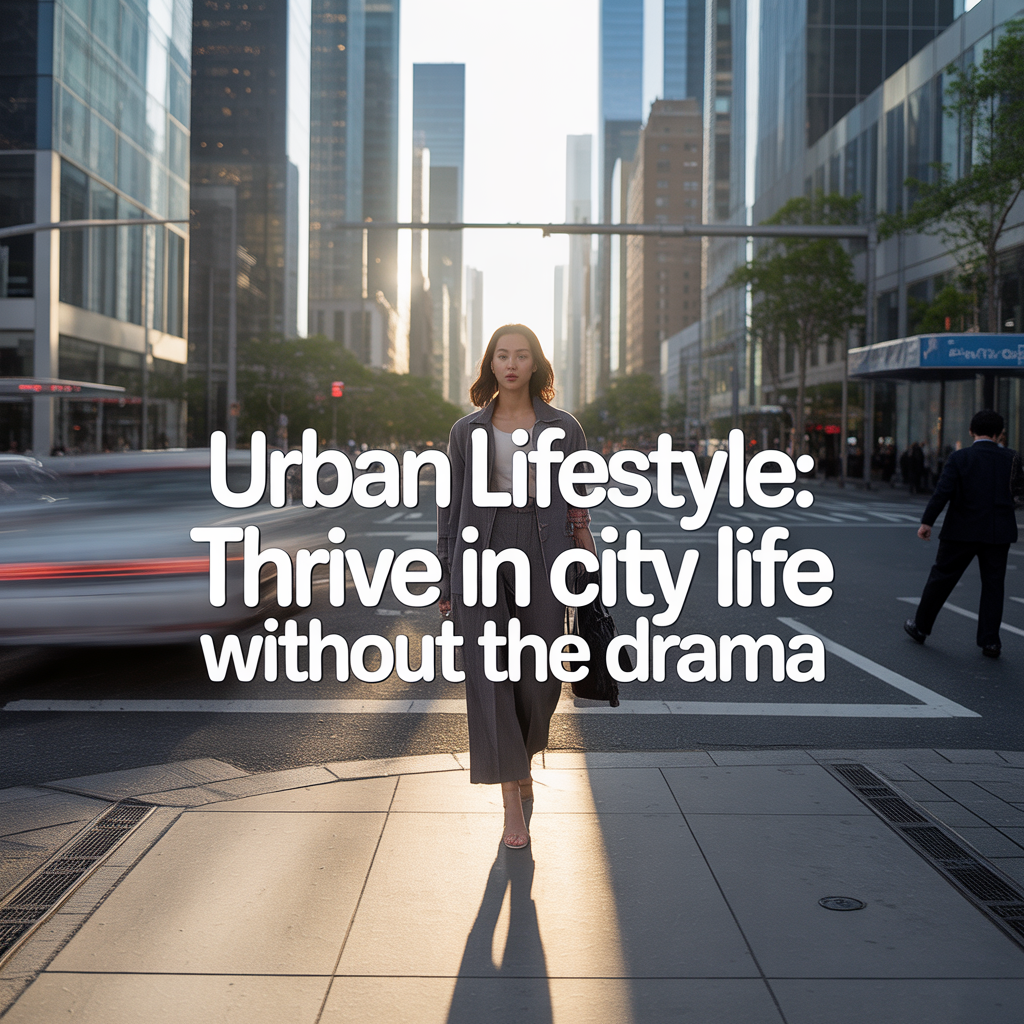
  • Urban Lifestyle: Thrive in City Life Without the Drama

    Urban Lifestyle: Thrive in City Life Without the Drama

    Dynamic Urban Lifestyle: How to Actively Thrive in City Life Without the Drama shows how we can take control of city living instead of just going with the flow. When we live in a city, we don’t just work and move from place to place—we constantly adapt, make quick decisions, and enjoy every moment in a smarter way. – newyorklongboarder


    What Is Urban Lifestyle and Why Do People Choose It?

    An Urban Lifestyle is a way of living shaped by fast-paced, modern city environments. Many people choose it because it offers wide opportunities for both career growth and personal development.

    Moreover, this lifestyle encourages independence. Instead of waiting for opportunities, we actively seek them out.


    Why Is Urban Lifestyle Growing Rapidly in the Digital Era?

    Technology continues to accelerate how people live in cities. Today, we can handle almost everything through our smartphones.

    For example:

    • We order food without leaving home
    • We work from anywhere using remote systems
    • We enjoy entertainment anytime through streaming platforms

    As a result, technology makes life more efficient and flexible.


    Where Is Urban Lifestyle Most Visible?

    Urban Lifestyle becomes most visible in large cities with high mobility. In these places, we find facilities that fully support modern living.

    Urban Environment Characteristics

    • Plenty of productive cafés and coworking spaces
    • Accessible public transportation
    • Active and growing creative communities

    Because of this, we can easily build connections and unlock new opportunities.


    When Did Urban Lifestyle Start to Dominate?

    Urban Lifestyle began to grow rapidly when digital technology became part of daily life. Since then, people have changed how they work, interact, and enjoy life.

    Today, this lifestyle is no longer optional—it has become the standard for many.


    How Can We Maintain Balance in an Urban Lifestyle?

    To avoid burnout, we must manage our lives with clear strategies.

    Manage Time Proactively

    Use techniques like time blocking to structure your daily activities. This way, you stay productive without feeling rushed.

    Maintain Health Consistently

    Set aside time for light exercise, even if it’s just 20–30 minutes a day. In addition, maintain a balanced diet to keep your body in top condition.

    Control Finances Wisely

    Stay disciplined with spending. Instead of following trends blindly, focus on your actual needs.


    Practical Tips to Stay Comfortable in Urban Living

    To keep city life manageable, apply these simple strategies.

    Choose Efficient Transportation

    Pick transport options that save time. As a result, you reduce stress during daily commutes.

    Use Hangout Spots Productively

    Instead of just relaxing, you can work or collaborate in comfortable cafés.

    Build Connections Actively

    Expand your network consistently. The more connections you have, the more opportunities you create.


    Trending Urban Lifestyle Movements

    Urban living constantly evolves. Currently, several trends are gaining attention.

    Minimalist Living

    People now reduce unnecessary items and focus on quality over quantity.

    Digital Nomad Lifestyle

    Many individuals choose to work without being tied to one location, prioritizing flexibility.

    Healthy Living

    Awareness of health continues to grow. People now exercise regularly and choose healthier food options.


    Common Mistakes in Urban Lifestyle

    Although it looks appealing, many people still make avoidable mistakes.

    Chasing Social Status

    Some people buy things just to look impressive. However, this often leads to financial pressure.

    Ignoring Rest Time

    Busy schedules often cause people to skip proper rest. Consequently, energy levels drop quickly.

    Overworking

    Working nonstop might seem productive, but in reality, it reduces overall performance.


    Strategies to Boost Productivity in Urban Life

    You can improve productivity by taking a more structured approach.

    Maximize Digital Tools

    Use apps like task managers to organize your work more efficiently.

    Build Consistent Routines

    Routines help structure your daily activities and make life easier to manage.

    Set Clear Priorities

    Focus only on what truly matters. This way, you avoid wasting energy on less important tasks.


    How Does Urban Lifestyle Shape Our Mindset?

    Urban living transforms how we think and act.

    • We adapt faster to change
    • We become more creative in solving problems
    • We gain confidence in decision-making

    Additionally, we develop a mindset focused on continuous growth.


    The Future of Urban Lifestyle: What’s Next?

    Urban Lifestyle will become even more integrated with technology in the future.

    What to Expect

    • Smart homes with automated systems
    • Driverless transportation technology
    • More flexible hybrid work systems

    With these advancements, life will become more practical and efficient.


    Dynamic Urban Lifestyle as a Modern Way of Living

    Dynamic Urban Lifestyle: How to Actively Thrive in City Life Without the Drama proves that we can take full control of our lives in a busy urban environment. By applying active strategies and making intentional choices, we don’t just survive—we grow. Therefore, Dynamic Urban Lifestyle: How to Actively Thrive in City Life Without the Drama becomes the key to enjoying city life while maintaining balance.