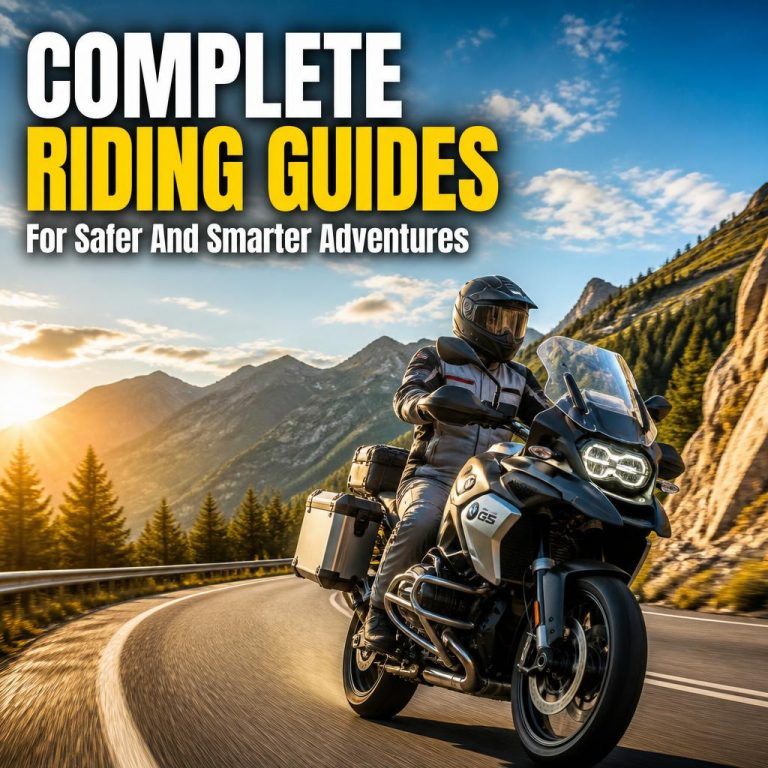
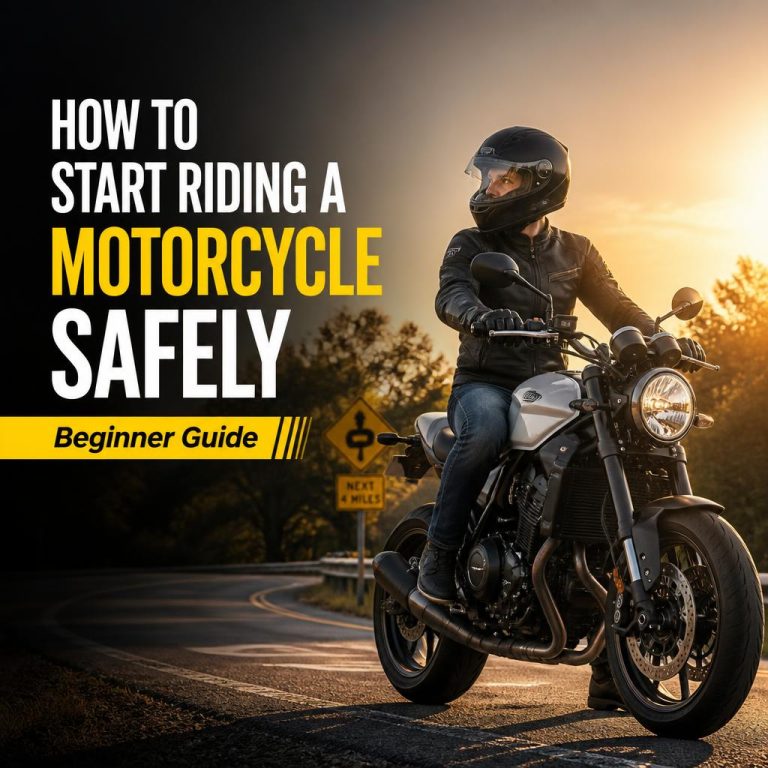
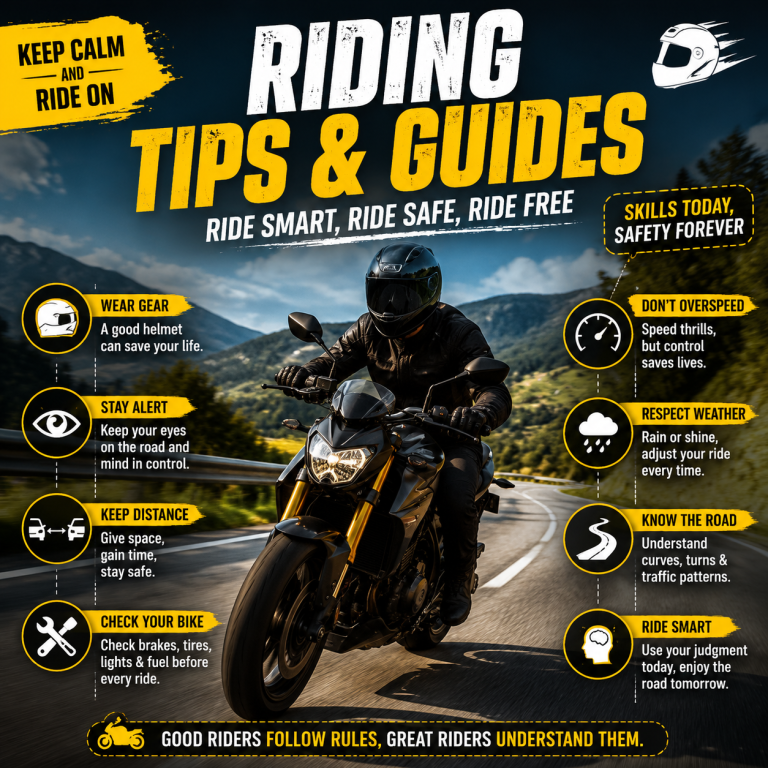
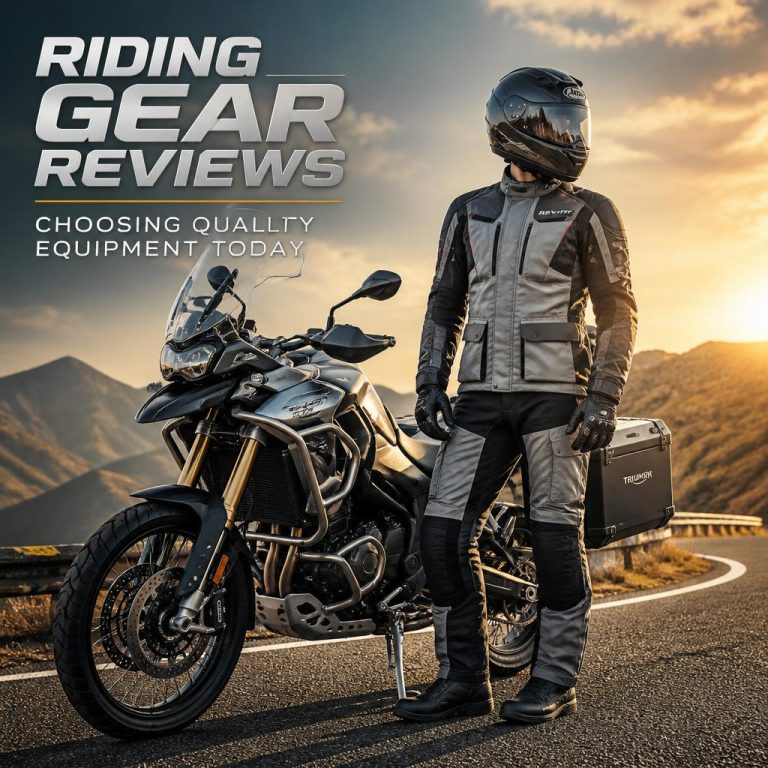
The Long Ride Trick Bikers Use to Avoid Fatigue All Day has become a game-changing strategy among riders who spend endless hours on highways, mountain roads, and cross-country adventures. Instead of relying only on caffeine or frequent stops, experienced bikers use smarter riding habits that protect both the body and mind during extended trips. – newyorklongboarder
A Hidden Problem Many Riders Ignore
Long-distance riding looks exciting from the outside. However, fatigue can quietly destroy focus, reaction speed, and riding confidence. Many riders underestimate how quickly exhaustion builds during a full-day ride.
Why Fatigue Happens Faster Than Expected
Wind pressure, vibration, road noise, and constant concentration slowly drain energy. Even riders with years of experience can feel mentally exhausted after several hours without proper techniques.
The Physical Strain of Motorcycle Riding
Your neck, shoulders, lower back, and wrists absorb continuous pressure while riding. In addition, poor posture forces muscles to work harder than necessary.
The Long Ride Trick Experienced Riders Swear By
The real trick is not riding harder. It is learning how to ride more efficiently.
Professional touring riders often use a method called micro-relaxation riding. This technique involves reducing unnecessary muscle tension every few minutes while maintaining full control of the bike.
Instead of gripping the handlebars tightly all day, riders consciously relax their shoulders, loosen their elbows, and shift body weight naturally during straight sections of the road.
How Micro-Relaxation Improves Endurance
This riding method works because the human body burns more energy when muscles remain tense for long periods.
Relaxing the Upper Body
Many beginners unknowingly clench their shoulders and wrists during long rides. Over time, this creates stiffness and numbness.
By keeping arms loose and flexible, riders reduce strain while improving bike handling.
Controlled Breathing Matters Too
Experienced bikers also use slow breathing patterns to stay alert. Deep breathing increases oxygen flow and helps reduce mental fatigue during hot weather or traffic-heavy conditions.
Smart Riders Plan Energy, Not Just Routes
Many people focus only on distance and arrival times. Skilled riders think differently.
Hydration Is More Important Than Coffee
Caffeine provides temporary energy, but dehydration creates fatigue much faster. Riders who sip water consistently throughout the day maintain better focus and reaction time.
A hydration backpack often works better than stopping every hour for drinks.
Light Meals Keep Energy Stable
Heavy meals make riders sleepy. Touring veterans usually choose lighter foods such as bananas, nuts, boiled eggs, sandwiches, or protein snacks during long trips.
Posture Can Make or Break a Ride
Poor riding posture slowly damages endurance.
The Best Riding Position for Long Trips
A neutral spine position helps distribute body weight evenly. Riders should avoid leaning too far forward unless riding a sportbike designed for aggressive posture.
Small Adjustments Create Big Results
Simple changes can reduce fatigue dramatically:
- Adjust handlebar height
- Change footpeg position
- Use a touring seat cushion
- Wear proper riding gloves
- Stretch briefly during fuel stops
The Role of Mental Focus on Long Rides
Mental exhaustion often appears before physical exhaustion.
Highway Hypnosis Is Real
Riding for hours on repetitive roads can reduce awareness. This condition, often called highway hypnosis, causes slower reactions and poor decision-making.
Experienced riders stay mentally engaged by scanning mirrors frequently, observing road patterns, and adjusting riding posture regularly.
Music and Communication Systems
Some touring riders use helmet communication systems or low-volume music to stay mentally active. However, volume should remain low enough to hear traffic clearly.
Weather Conditions Change Everything
Temperature directly affects rider endurance.
Hot Weather Fatigue
Heat drains energy rapidly. Riders should wear ventilated jackets instead of removing protective gear completely.
Cold Weather Exhaustion
Cold temperatures tighten muscles and reduce flexibility. Layered riding gear helps maintain body temperature without restricting movement.
Why Stretching Helps More Than Most Riders Think
Stretching before and during rides improves circulation and reduces stiffness.
Quick Stretch Routine for Riders
During fuel or rest stops, riders should stretch:
- Neck
- Hamstrings
- Lower back
- Wrists
- Calves
Even five minutes of stretching can refresh the body for another few hours on the road.
Choosing the Right Motorcycle Setup
Not every motorcycle is built for long-distance comfort.
Touring Bikes vs Sport Bikes
Touring motorcycles usually provide:
- Better wind protection
- Upright seating
- Larger seats
- Cruise control
- Relaxed ergonomics
Sport bikes prioritize speed and cornering, which can increase fatigue during extended rides.
Tire Pressure and Suspension Matter
Incorrect tire pressure increases vibration and rider strain. Proper suspension settings also improve comfort on uneven roads.
Gear That Reduces Rider Fatigue
Protective gear is not only about safety anymore.
Modern Riding Equipment Helps Endurance
Premium helmets reduce wind noise significantly. Lightweight jackets and moisture-wicking base layers also improve comfort during full-day rides.
Gloves Are Often Overlooked
Many riders experience numb hands because of poor gloves. Gel-padded touring gloves help absorb vibration during long-distance riding.
Common Mistakes That Drain Rider Energy
Many bikers accidentally create unnecessary fatigue.
Riding Too Fast for Too Long
Higher speeds increase wind resistance and body tension. Maintaining a steady, comfortable pace conserves energy better.
Ignoring Early Signs of Exhaustion
Yawning, stiff shoulders, blurred focus, and slower reactions are warning signs. Smart riders stop early before fatigue becomes dangerous.
FAQ About Long-Distance Motorcycle Fatigue
What is the best way to avoid fatigue on a motorcycle ride?
The best method combines hydration, relaxed posture, controlled breathing, stretching, and consistent micro-relaxation techniques while riding.
How often should bikers stop during long rides?
Most experienced riders stop every 90–120 minutes for stretching, hydration, and mental recovery.
Does motorcycle type affect fatigue?
Yes. Touring motorcycles generally reduce fatigue because they provide better ergonomics and wind protection compared to aggressive sport bikes.
Can dehydration make riding dangerous?
Absolutely. Even mild dehydration reduces concentration, reaction time, and endurance during long rides.
What foods help riders stay energized?
Light foods with protein and natural carbohydrates work best. Heavy greasy meals often increase tiredness.
The Long Ride Trick Bikers Use to Avoid Fatigue All Day is not about secret gadgets or miracle energy drinks. It comes down to smarter riding habits, relaxed body control, proper hydration, and consistent mental awareness. Riders who master these techniques can travel farther, stay sharper, and enjoy every kilometer without feeling completely drained before sunset.
About the Author